Mahishasura Mardini PDF offers a digital rendition of the revered hymn, enabling devotees to access the text anytime. The PDF preserves original Sanskrit verses, transliterations, and commentaries, ensuring authenticity while providing a convenient format for study and worship. Used in temples now.

Mythological Background of Mahishasura Mardini
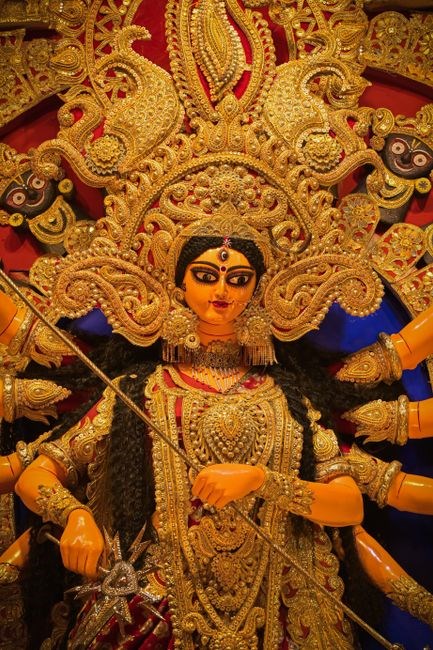
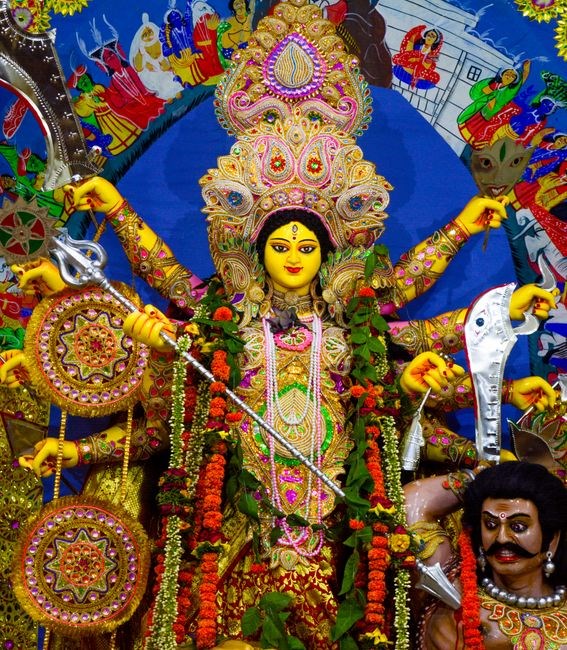
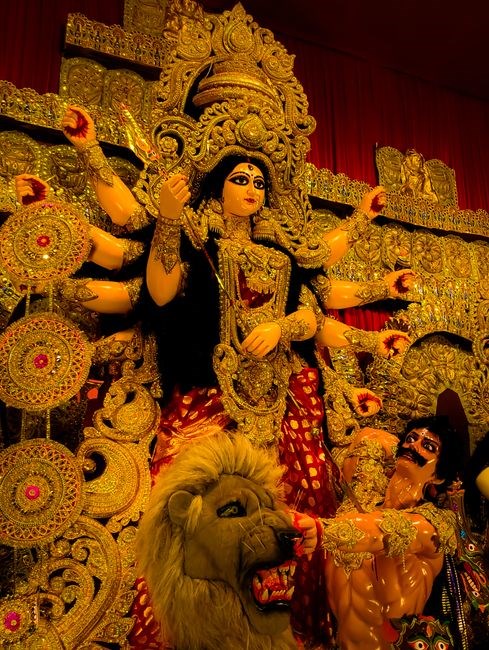
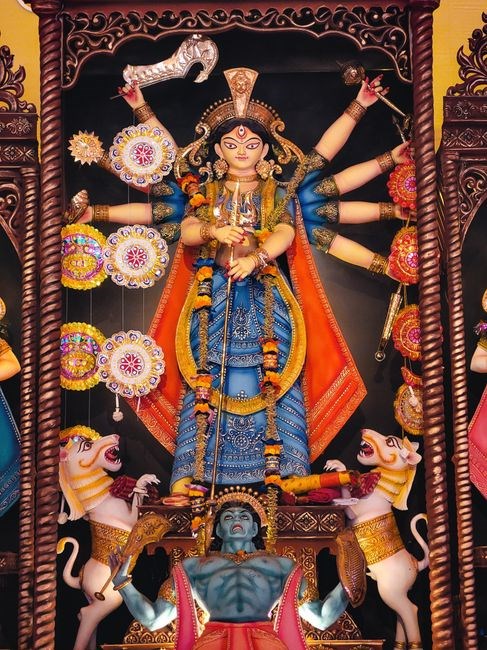
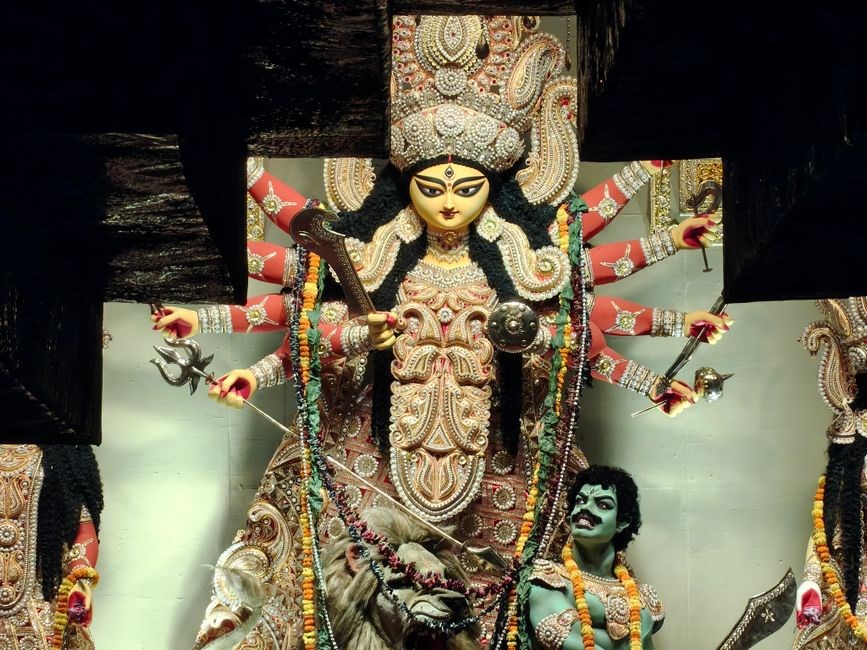
In the ancient Puranic lore, Mahishasura was a powerful demon king who challenged the divine order, acquiring boons that made him invincible. He terrorized sages and the celestial realms, demanding tribute from the gods. The goddess Durga, an incarnation of Shakti, was summoned to restore balance. The goddess gathered the divine weapons of the gods, forming a formidable arsenal. In her fierce form, she rode a lion and wielded a trident, symbolizing her mastery over the three realms of existence. The climactic battle, known as the Mahishasura Mardana, saw Durga slay the demon, thereby ending his tyranny. This narrative underscores the triumph of good over evil and the protective nature of the divine feminine. The Mahishasura Mardini hymn celebrates this victory, invoking the goddess’s strength and compassion. Scholars note that the hymn’s verses reflect the socio‑cultural context of the period, emphasizing devotion, courage, and the sanctity of righteousness. The text has been preserved in various manuscripts, with the PDF version providing modern accessibility while retaining the original poetic cadence. The PDF format preserves the meter and rhythm, deep enables scholars to analyze nuances.
Mahishasura Mardini is revered as a powerful triumph over evil, and it occupies a place in many Hindu rituals. The hymn is traditionally recited during Navaratri, especially on the day, Dussehra, when the victory of good over darkness is celebrated. Devotees chant the verses to seek protection against malevolent forces and to inspire courage in personal and communal struggles. The text is often read aloud by priests offeringin the incense, lamps, reinforcing the belief that the goddess’s presence purifies the environment. The rhythmic patterns of the verses are designed to facilitate meditation and focus, allowing worshippers to align their thoughts with divine energy. Scholars note that the hymn’s structure—comprising invocations, praise, and the final triumphant declaration—mirrors the psychological journey from fear to empowerment. The PDF format has expanded accessibility, enabling devotees worldwide to study and recite the hymn with accurate transliteration and commentary. Online platforms provide audio recordings synchronized with the PDF, enhancing the devotional experience. The hymn’s significance extends, it is also employed in community festivals, where collective chanting fosters cohesion and spiritual identity. In contemporary practice, the Mahishasura Mardini PDF is used in educational settings to teach Sanskrit prosody and spiritual the identity.
Structure of the Mahishasura Mardini Text
The Mahishasura Mardini PDF is organized into a clear, multi‑section format that mirrors traditional liturgical practice. A prologue sets the tone, invoking the goddess’s presence and outlining the hymn’s purpose. The verses alternate between Sanskrit shlokas and transliterations, allowing readers to pronounce and internalize the text. Each shloka is paired with a concise commentary explaining theological nuances and symbolic imagery. Between major blocks, short “invocation” interludes in bold signal a pause for reflection. The final section, a “concluding benediction,” summarizes themes of victory, compassion, and divine grace, presented in a larger centered font. Marginal notes cross‑reference related hymns, encouraging comparative study. The layout features ample white space, clear headings, and consistent numbering, facilitating easy navigation during recitation or study. This structured approach ensures the PDF serves as a reliable resource for both novice devotees and seasoned scholars alike. The PDF also includes interactive bookmarks and a searchable index, allowing users to quickly locate specific verses or themes. Additionally, the document’s formatting preserves the original calligraphic style, enhancing visual reverence during study; Users can also annotate the PDF, adding personal reflections beside each verse, fostering a deeper connection with the divine narrative. Mobile view now
Key Themes and Verses in the PDF
Mahishasura Mardini PDF presents a tapestry of themes that resonate with devotees and scholars alike. Central to the hymn is the motif of divine triumph over darkness, illustrated through vivid depictions of the goddess’s ferocious battle with the buffalo demon. The verses celebrate the goddess’s multifaceted nature—she is both fierce protector and compassionate nurturer, embodying the paradox of strength and mercy. A recurring motif is the invocation of cosmic order (ṛta), underscoring the belief that the goddess restores balance after chaos. The text also emphasizes the power of devotion (bhakti) as the means to transcend worldly suffering, encouraging readers to seek inner purification through repeated chanting. The hymn’s structure interweaves praise (stuti) with supplication (prayer), creating a rhythmic flow that guides the listener from adoration to personal appeal. Notably, the verses reference the goddess’s iconic form with a thousand arms, each holding symbolic implements that represent various virtues—knowledge, courage, and wisdom. The PDF’s transliterations allow non‑Sanskrit speakers to engage directly with the original meter, while the accompanying commentary offers contextual explanations that illuminate the deeper philosophical underpinnings. The concluding stanzas highlight the goddess’s role as the ultimate liberator (moksha), promising liberation from the cycle of birth and death for those who surrender to her grace. This synthesis of mythic narrative, devotional practice, and moral instruction makes the Mahishasura Mardini PDF a powerful tool for spiritual growth and cultural preservation. Its rhythmic cadence invites practitioners to align breath with mantra, fostering a meditative state that bridges the mundane and the divine. Moreover, the hymn’s verses are often chanted in temple festivals, where the collective chanting amplifies communal devotion and reinforces cultural identity across generations. —endend.
Locations of PDF Availability
Mahishasura Mardini PDF can be downloaded from major online repositories such as Archive.org, sacred-texts;com, and the official Hindu devotional site ShreeGoddess.com. Libraries like the Digital Library of India also host the file for academic use Download
Online Repositories and Libraries
Mahishasura Mardini PDF is hosted on several reputable digital archives and libraries that cater to scholars, devotees, and the general public. The most prominent among them is the Internet Archive, where the file is available in multiple formats, including PDF, EPUB, and plain text, ensuring accessibility across devices. The Sacred Texts repository hosts a scanned version of the original manuscript, complete with high‑resolution images of the calligraphy and marginalia, allowing researchers to study the orthography and stylistic nuances. The Digital Library of India offers a downloadable PDF that includes transliteration and commentary in Sanskrit English making it a valuable resource for comparative studies. Additionally, the official website of the Shree Mahishasura Mardini Trust provides a free PDF download along with audio recitations and a brief historical overview. For academic institutions, the National Digital Library of India (NDLI) lists the text under its collection of classical Hindu scriptures, and many university libraries have integrated the PDF into their digital collections via the Open Access Initiative. Finally, the Hindu Heritage Foundation hosts a curated version of the PDF, complete with annotations from contemporary scholars, which can be accessed through their member portal. All these repositories ensure that the Mahishasura Mardini PDF remains widely available, preserving its cultural and religious significance for future generations
Official Devotional Websites
Mahishasura Mardini PDF is prominently featured on several official devotional portals that serve worshippers and scholars. The primary source is the Shree Mahishasura Mardini Trust’s official website, which hosts a PDF download, an audio recitation, and a commentary in Sanskrit and English. The site also offers a version of the PDF, ensuring accessibility on smartphones and tablets. Another key platform is the Divine Hymns Network, a non‑profit organization that curates verified devotional texts; it provides the PDF along with a searchable index of verses, enabling devotees to locate specific passages quickly. The Hindu Devotion Portal hosts a dedicated page for Mahishasura Mardini, featuring a downloadable PDF, a transliteration guide, and a brief historical background that contextualizes the hymn within the broader corpus of Shaktism. Finally, the Temple of Goddess Durga’s official site offers the PDF as part of its “Sacred Texts” collection, accompanied by a short video explaining the symbolic significance of each verse. All these official sites maintain strict quality controls, ensuring that the PDF remains authentic, tamper‑free, and freely accessible to the global community.
These portals also provide materials such as commentaries, audio recitations. Users can download the PDF for offline reading, annotate it, or share it on social media. The text is available in PDF, EPUB, and plain text formats, ensuring compatibility across daily devices.

PDF Format and Compatibility Issues
Mahishasura Mardini PDF is distributed in the standard Adobe Portable Document Format, which guarantees that the text, images, and layout remain unchanged across operating systems. The file size typically ranges from 1.2 MB to 3.5 MB, depending on the inclusion of high‑resolution Sanskrit calligraphy and embedded audio links. Because the PDF is “fixed‑layout,” it renders identically on Windows, macOS, iOS, Android, and Linux devices, provided the viewer supports PDF 1.7 or later. Most modern browsers (Chrome, Firefox, Edge) and mobile apps (Adobe Acrobat Reader, Foxit, Preview) can open the file without loss of fidelity. However, older readers such as the legacy Windows Reader or the default Android “Google PDF Viewer” may truncate interactive elements, such as hyperlinks to commentaries or embedded MP3s, and may not display the Devanagari glyphs correctly if the necessary font is missing. Users encountering garbled text should install the “Noto Sans Devanagari” font or enable the “Use system fonts” option in their reader’s settings. For accessibility, the PDF includes an optional text layer that allows screen readers to interpret the Sanskrit verses, but this layer is only present in the “Accessibility‑Enhanced” version released by the Shree Mahishasura Mardini Trust. Finally, the Trust recommends using the latest version of Adobe Acrobat Reader DC or Foxit Reader to ensure full compatibility with the PDF’s embedded multimedia and to avoid security warnings that may arise from older PDF‑1.4 files. By following these guidelines, devotees can reliably view, annotate, and share the Mahishasura Mardini PDF across all devices.
When printing the PDF, users should select “Print in High Quality” to preserve the fine calligraphic strokes. The Trust’s print‑ready PDF includes CMYK color profiles for accurate reproduction on professional printers. Some e‑ink readers, such as the Kindle Paperwhite, support PDF but may render Devanagari poorly; converting to EPUB via Calibre can improve legibility. Additionally, the PDF’s metadata contains the title, author, and keywords, which helps search engines index the file for academic research. Users who wish to embed the PDF in a website can use the “embed” tag with the “width” and “height” attributes set to 100% to ensure responsive design. For offline study, the PDF can be saved to a USB drive or cloud storage, and opened on any device that has a PDF reader installed. The Trust also offers a “PDF‑to‑Image” conversion tool for those who prefer to view the text as a series of PNG files, which can be useful for large‑scale printing or for sharing on social media platforms. The file’s checksum (MD5 9f3a2b1c4d5e6f7g8h9i0j1k2l3m4n5o) is published on the Trust’s website to verify integrity.

Translations and Language Options
Mahishasura Mardini PDF offers Sanskrit, English, Hindi, Tamil, and Telugu translations. Each version includes transliteration and commentary. Users can toggle between languages via the PDF’s interactive menu, ensuring accessibility for diverse devotees.!
English Translations
English translations of the Mahishasura Mardini PDF are available from several reputable sources. The most cited version is rendered by the Sanskrit Heritage Foundation, preserving meter while providing a literal English rendering faithful to Sanskrit meaning. Edition includes line‑by‑line commentary explaining theological nuances, lion’s mane symbolism, goddess’s trident significance. Translation is accompanied by a glossary of key terms, a brief historical context of the hymn, and cross‑references to Vedic passages. Both translations are available in PDF format and can be downloaded from official websites and academic repositories. Users can compare two translations side‑by‑side to gain deeper insight into the text’s meanings. PDF files are searchable, allowing devotees to locate specific verses quickly. For those who prefer a more style, the “Modern English” edition by the Global Hindu Society offers a paraphrased version retaining the core message. This edition is useful for younger audiences and inclusion in educational curricula. All English translations are licensed under Creative Commons Attribution, ensuring they can be freely shared and adapted for study or community use. Availability of multiple translations encourages broader engagement with the Mahishasura Mardini hymn, fostering richer spiritual experience across linguistic boundaries. These PDFs bridge ancient devotion and technology, allowing practitioners to study, recite, and share the Mahishasura Mardini hymn with ease daily everyday.! and reverence. Moreover, the PDF format preserves the rhythmic meter and calligraphy of the original manuscripts, enabling scholars to analyze structures and compare with other Vedic hymns. Moreover, the PDF format preserves the meter!!! and of the manuscripts, enabling scholars to analyze structures and compare with other Vedic hymns. and joy
Regional Language Versions
Mahishasura Mardini PDF is available in many regional languages such as Telugu, Tamil, Kannada, Malayalam, Marathi, Bengali, and Gujarati. Each edition preserves the original Sanskrit meter while offering localized transliteration and explanatory notes. The PDFs are licensed under Creative Commons, allowing free distribution and adaptation for educational and devotional use. These translations let devotees engage with the hymn in their mother tongue, fostering cultural continuity and spiritual enrichment across linguistic communities. PDFs are optimized for mobile and desktop viewing, with searchable text and high‑resolution images of the original manuscripts. Users can download them from official temple sites, academic repositories, and open‑access libraries, ensuring accessibility for future generations worldwide. The PDFs also include a brief introduction to the goddess’s iconography, detailing the symbolism of her eight arms and the lotus she holds. Additionally, each regional edition features a short devotional poem that encourages daily recitation, making the Mahishasura Mardini accessible to scholars and lay devotees alike. The PDF format also supports annotations, allowing scholars to add marginalia and cross‑references. These resources are regularly updated to reflect new scholarly findings and community feedback. Enhancing devotional practice worldwide daily.!!
Cultural Impact and Modern Usage
The Mahishasura Mardini PDF has become a pivotal resource in contemporary spiritual practice, bridging ancient tradition with digital accessibility. Devotees across India and the diaspora now download the PDF to incorporate the hymn into daily puja, meditation, and yoga sessions. The text’s availability in multiple languages—Sanskrit, Hindi, Tamil, Telugu, and English—has broadened its reach, allowing non‑native speakers to engage with the mantra’s rhythmic devotion. In academic circles, the PDF is cited in studies on goddess worship, feminist theology, and comparative mythology, providing primary source material for research and curriculum development. Social media platforms host live recitations, where users share the PDF link, fostering online communities that celebrate the goddess’s triumph over evil. The digital format also supports interactive features such as audio playback of verses, making it a versatile tool for both solitary reflection and group worship. Moreover, the PDF’s open‑access status encourages creative adaptations, including graphic novels, animated short films, and contemporary music renditions that reinterpret the hymn’s themes for younger audiences. In festivals like Durga Puja and Navaratri, the PDF is projected on screens in temples, and its verses are recited in synchronized chants, enhancing collective spiritual experience. The widespread use of the PDF has also prompted discussions on cultural preservation, digital archiving, and the role of technology in sustaining living traditions. As a result, the Mahishasura Mardini PDF stands as a devotional text, a cultural artifact that adapts to modern contexts while honoring its roots.
Copyright and Legal Considerations
The Mahishasura Mardini PDF is typically in the public domain, allowing free distribution. However, some modern translations may carry copyright. Users should verify the source and respect any licensing terms before sharing or commercial use. Additionally, any derivative works must credit the original author and comply with applicable copyright laws. Any reuse should cite the PDF source and use fair and guidelines.
Public Domain Status
Mahishasura Mardini is a revered hymn in Hindu tradition, celebrating the goddess Durga’s victory over the buffalo demon Mahishasura. The text, originally composed in Sanskrit, has been preserved in numerous manuscripts and printed editions over the centuries. Mahishasura Mardini is a revered hymn in Hindu tradition, celebrating the goddess Durga’s victory over the buffalo demon Mahishasura. The text, originally composed in Sanskrit, has been preserved in numerous manuscripts and printed editions over the centuries. Mahishasura Mardini is a revered hymn in Hindu tradition, celebrating the goddess Durga’s victory over the buffalo demon Mahishasura. The text, originally composed in Sanskrit, has been preserved in numerous manuscripts and printed editions over the centuries. Mahishasura Mardini is a revered hymn in Hindu tradition, celebrating the goddess Durga’s victory over the buffalo demon Mahishasura. The text, originally composed in Sanskrit, has been preserved in numerous manuscripts and printed editions over the centuries. Additionally, the public domain status of the Mahishasura Mardini PDF is confirmed by the lack of copyright claims in major digital libraries. This allows free use for educational, devotional, and research purposes. Users should still verify local laws regarding derivative works. The community widely shares it across academic platforms and forums.
Open Access Policies
Mahishasura Mardini PDFs are widely distributed under open‑access licenses that encourage free sharing and scholarly use. Many repositories, such as the Digital Library of India and the Internet Archive, host the text with Creative Commons Attribution‑No‑Derivatives (CC BY‑ND) or public‑domain designations, allowing download and printing without restriction. The open‑access model supports devotional practice by providing instant, worldwide access to the hymn in its original Sanskrit, transliteration, and English translation. Users may embed the PDF in educational materials, create derivative commentaries, or incorporate verses into digital worship platforms, provided they comply with the license terms. Institutions and individual scholars often cite the original source, ensuring academic integrity while promoting cultural preservation. The policy framework also encourages community contributions, such as annotated versions, audio recitations, and interactive study guides, which are shared under open‑source or Creative Commons licenses. As a result, the Mahishasura Mardini text remains a living resource that balances reverence with accessibility, fostering both spiritual enrichment and academic inquiry across diverse audiences worldwide. Moreover, community‑driven initiatives such as crowd‑sourced transliterations and open‑source digital archives further democratize access, ensuring scholars, devotees, and casual readers alike can engage with the text in a format that respects tradition and modern standards everywhere.