Free PDF Dietary Recipe Books Overview
Explore a wide range of free PDF dietary recipe books, from low‑carb and keto guides to vegetarian and gluten‑free collections. Many titles are legally available through public domain libraries, author‑provided PDFs, and online e‑book platforms that allow instant download and offline reading. These resources empower healthy cooking without cost daily. now!

Health Benefits of Dietary Recipe PDFs
Free dietary PDFs offer balanced nutrition, weight control, and meal planning. They feature low‑carb, vegan, and gluten‑free options, supporting heart health, blood sugar stability, and eating. Accessible PDFs empower healthier lifestyles worldwide today now!!
Balanced Nutrition
Free PDF dietary recipe books provide a comprehensive framework for achieving balanced nutrition without cost. By offering a diverse array of meal plans that emphasize whole grains, lean proteins, fresh fruits, and vegetables, these resources help readers meet daily macro‑and micronutrient targets. Many titles include portion‑controlled recipes, calorie counts, and nutrient breakdowns, allowing users to tailor meals to specific dietary goals such as heart‑healthy, low‑sodium, or anti‑inflammatory diets. The inclusion of seasonal produce guides encourages the use of locally sourced ingredients, which not only boosts flavor but also supports sustainable food systems. Additionally, the availability of customizable templates in several PDFs enables individuals to track their intake, adjust macronutrient ratios, and monitor progress over time. By integrating evidence‑based guidelines from reputable health organizations, these free e‑books reinforce the importance of balanced meals, reducing reliance on processed foods and sugary drinks. Users can also benefit from the step‑by‑step cooking instructions that simplify complex nutrition concepts, making it easier for beginners to adopt healthier habits. The accessibility of these PDFs across multiple devices ensures that balanced nutrition is within reach for anyone, anywhere, at any time, fostering lifelong wellness and empowering individuals to take control of their dietary choices. Moreover, the free nature of these PDFs removes financial barriers, allowing people from all socioeconomic backgrounds to access high‑quality nutritional guidance. This democratization of healthy eating knowledge promotes equity in health outcomes and encourages community sharing of recipes, fostering a culture of collective well‑being. With these resources, individuals can experiment confidently, track progress, and celebrate small victories, turning nutrition into a sustainable, enjoyable lifestyle. Every page is a step toward lasting health
Weight Management Support
Free PDF dietary recipe books are a powerful ally for anyone aiming to maintain or lose weight. They provide meticulously balanced menus that combine lean proteins, complex carbohydrates, and healthy fats while keeping calorie counts transparent. Many titles feature portion‑controlled recipes, allowing readers to adjust serving sizes without sacrificing flavor. The inclusion of macro‑tracking sheets lets users log daily intake and stay within target ranges for protein, carbs, and fats. By offering low‑carb, keto, and Mediterranean options, these PDFs cater to diverse preferences, ensuring that weight‑management plans are both effective and enjoyable. Step‑by‑step cooking instructions simplify meal prep, reducing the temptation to rely on processed convenience foods. Some books also incorporate intermittent‑fasting schedules and snack ideas that fit seamlessly into busy lifestyles. The ability to download and print meal plans means users can keep a physical copy at the kitchen counter for quick reference. Additionally, many free PDFs include grocery‑shopping lists organized by category, which streamlines shopping and helps avoid impulse purchases. The educational sections explain the science behind weight loss—how calorie deficit, macronutrient balance, and metabolic adaptation work together—empowering readers to make informed choices. By integrating weekly meal rotations, these resources prevent boredom and promote long‑term adherence. Users can also track progress with built‑in charts, celebrating milestones and adjusting goals as needed. Readers can customize portions to meet goals, daily ensuring flexibility daily!

Legal Free Sources for PDF Downloads
Free PDFs can be found on domain libraries, author‑provided sites, and reputable e‑book platforms. Sites like Project Gutenberg, Open Library, and many culinary blogs offer free downloads. Always check copyright status and download from official pages to stay compliant. Free!
Public Domain Libraries
Public domain libraries are treasure troves for free dietary recipe PDFs. Sites like Project Gutenberg, Open Library, and the Internet Archive host thousands of culinary works that have entered the public domain, allowing anyone to download, read, and share without restriction. These collections often include classic cookbooks, nutritional guides, and early diet manuals that remain relevant for modern healthy eating. Users can search by title, author, or keyword, and many entries are available in multiple formats, including PDF, EPUB, and plain text. Because the content is in the public domain, there are no licensing fees or subscription barriers, making it ideal for students, researchers, and home cooks seeking budget‑friendly resources. Additionally, many libraries offer advanced search filters to narrow results to specific dietary themes such as low‑carb, vegetarian, or gluten‑free, ensuring that even niche interests are well served. By leveraging these public domain repositories, you can build a comprehensive, legally compliant library of dietary recipe PDFs that supports long‑term healthy cooking without any cost.
Many public domain sites also provide metadata and citation tools, making it easy to reference these works in academic or culinary projects. Users can download PDFs directly or convert them to other formats using free online converters. Because the files are unmodified, they preserve original typography and layout, which is valuable for historical study of dietary trends. Finally, community contributions often add translations, making these resources accessible worldwide.
These freely available PDFs also support cross‑platform sharing, allowing chefs to collaborate on menus and share nutritional analyses with peers worldwide. Download them today and start cooking smarter. Try it now. Share your results. Enjoy! 🙂🙂🙂🙂
Author-Provided Free PDFs

In recent years, a growing number of nutritionists, chefs, and dietitians have chosen to make their culinary guides freely available in PDF format. These author‑provided PDFs are typically hosted on personal blogs, professional websites, or dedicated recipe portals that emphasize transparency and accessibility. By offering their books at no cost, creators foster a broader community of health‑conscious readers and encourage the sharing of evidence‑based meal plans. Many of these PDFs cover specialized diets—low‑carb, keto, vegetarian, vegan, gluten‑free, and low‑FODMAP—providing step‑by‑step instructions, ingredient lists, and nutritional breakdowns that help users track macros and micronutrients. The files are often downloadable directly from the author’s site, eliminating the need for third‑party intermediaries and ensuring that the content remains up‑to‑date. In addition, authors frequently include supplementary resources such as printable shopping lists, meal‑prep schedules, and interactive worksheets that enhance the user experience. Because the PDFs are self‑hosted, creators can update them in real time, correcting errors or adding new recipes without requiring a new edition. Users can also contact authors for clarifications or to request custom meal plans, fostering a two‑way dialogue that is rarely possible with commercial publications. This open‑source approach has democratized access to high‑quality dietary guidance, making it possible for anyone—regardless of budget to explore and experiment with healthy cooking. Readers appreciate the open‑source ethos!!!!!

Popular Categories of Dietary PDFs
Explore free dietary PDFs across popular categories: low‑carb & keto, vegetarian & vegan, gluten‑free & low‑FODMAP, Mediterranean and seasonal menus. Each collection offers curated recipes, nutrition charts, and meal‑prep tips, enabling easy, balanced eating for every lifestyle. Start cooking smarter. today.
Low-Carb & Keto
Discover a curated selection of free PDF books focused on low‑carb and keto diets, ideal for weight loss, metabolic health, and sustained energy. These resources feature over 300 recipes, from quick breakfast options to hearty dinners, all designed to keep net carbs low while maximizing flavor. Many titles are freely provided by authors and public libraries for free use!!. The books include detailed nutrition tables, macro breakdowns, and meal‑prep guides that help readers track carb intake accurately. They also cover variations for beginners and advanced practitioners, with sections on keto‑friendly snacks, desserts, and even meal plans for busy schedules. Additionally, some PDFs integrate modern cooking tools like the Cookeo, offering 360 easy, low‑carb recipes that can be prepared in minutes. Users can download, read offline on any device, and print sections for quick reference. By leveraging these free, high‑quality PDFs, anyone can adopt a low‑carb lifestyle without breaking the bank or sacrificing taste.
Readers can also find specialized sections on keto‑friendly desserts, such as chocolate mousse made with coconut cream, and savory dishes like cauliflower pizza crusts. The PDFs often include grocery lists, weekly meal plans, and nutritional calculators to help track macros. Many authors share personal success stories, offering motivation and practical tips for staying on track. With these resources, maintaining a low‑carb lifestyle becomes approachable, enjoyable, and sustainable for all ages. It adds prep hacks daily.
Vegetarian & Vegan
Free PDF books dedicated to vegetarian and vegan diets offer a treasure trove of nutrient‑dense, plant‑based recipes that support balanced nutrition and weight management. Many of these titles are available through public domain libraries, author‑provided PDFs, and online e‑book platforms that allow instant download and offline reading. The collections feature a wide range of dishes, from hearty breakfast bowls and protein‑rich salads to comforting soups, stir‑fries, and desserts that satisfy sweet cravings without animal products.
Key highlights include detailed macro and micronutrient tables, portion‑control guidance, and meal‑prep strategies that help readers stay on track while enjoying diverse flavors. Some PDFs also incorporate modern kitchen tools such as the Cookeo, offering 360 quick, low‑carb vegan recipes that can be prepared in minutes. These resources often provide grocery lists, weekly meal plans, and nutritional calculators to aid in tracking intake.
Authors frequently share personal success stories, tips for overcoming common challenges, and practical hacks for cooking on a budget. By leveraging these free, high‑quality PDFs, anyone can adopt a vegetarian or vegan lifestyle that is both sustainable and delicious. The books empower readers to create balanced meals that meet daily protein, fiber, and vitamin needs, while keeping costs low and taste high.

Many PDFs also include sections on plant‑based protein sources—lentils, chickpeas, tofu, tempeh, and seitan—along with cooking tips to maximize flavor and texture. Seasonal produce guides help readers rotate menus, keeping meals exciting and nutritionally varied. Updated editions bring fresh recipes, ensuring readers always have new ideas to explore.
Gluten-Free & Low-FODMAP
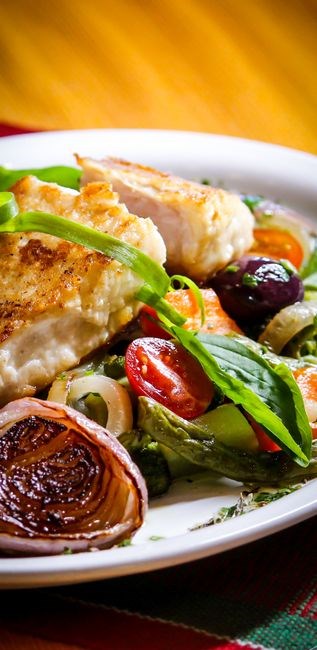
Free PDF dietary recipe books tailored for gluten‑free and low‑FODMAP diets provide guidance for individuals with celiac disease, gluten intolerance, or irritable bowel syndrome. These collections feature a wide array of dishes that exclude wheat, barley, rye, and ingredients such as onions, garlic, and certain legumes. Readers can find breakfast options like oat‑based porridge, lunch ideas such as quinoa salads, and dinner recipes featuring rice, potatoes, and gluten‑free pasta. Many PDFs include detailed ingredient lists, portion sizes, and step‑by‑step instructions that help users avoid cross‑contamination and manage symptoms effectively.
Key resources often incorporate nutritional tables that track fiber, protein, and essential vitamins, ensuring balanced meals while staying within low‑FODMAP limits. Some books also offer meal‑prep guides, grocery‑shopping lists, and menus to keep the diet varied and enjoyable. Authors frequently share practical tips for substituting high‑FODMAP ingredients with low‑FODMAP alternatives, such as using garlic‑infused oil instead of fresh garlic, or swapping high‑FODMAP beans for lentils. The PDFs are typically available for free download from libraries, author‑provided sites, and reputable e‑book platforms, allowing instant access on desktop, tablet, or smartphone.
By leveraging these free, high‑quality PDFs, individuals can navigate gluten‑free and low‑FODMAP cooking, maintain nutritional adequacy, and reduce digestive discomfort. Updated editions provide new recipes, updated guidelines, and layouts that make meal planning straightforward and enjoyable.

Accessing PDFs on Multiple Devices
Download free dietary recipe PDFs and view them on any device. Use desktop browsers for full‑size PDFs, or open on laptops for quick edits. Tablets and smartphones support PDF readers that let you annotate, bookmark, and share recipes. Sync across devices with cloud storage for seamless access Enjoy!! Now!
Desktop & Laptop
Downloading a free dietary recipe PDF gives desktop and laptop users powerful tools for organization. Built‑in viewers like Windows’ Edge, macOS Preview, or Linux Evince let you open, zoom, and annotate with sticky notes. Advanced editors such as Adobe Acrobat Reader DC, Foxit Reader, or SumatraPDF add bookmarks, search keywords, or merge multiple books into one file. Cloud services—Google Drive, Dropbox, OneDrive—store PDFs, keep them synchronized, and allow offline access. Converting PDFs to Word or Google Docs lets you tweak ingredient lists or adjust portions. Splitting pages, creating bookmarks, or using PDF‑to‑Excel converters extracts ingredient tables for nutritional analysis. Printing a recipe page provides quick paper reference, while PDF‑to‑image tools generate printable recipe cards. SumatraPDF offers a lightweight interface for fast look‑ups. PDF‑to‑Markdown converters create clean text versions for version control in GitHub or personal wikis. Keep file names consistent and use tags in cloud services to filter recipes by cuisine or dietary goal. These features together create a flexible, powerful workflow for managing dietary recipes on desktop and laptop platforms. Search PDFs for quick lookup!.
Tablets & Smartphones
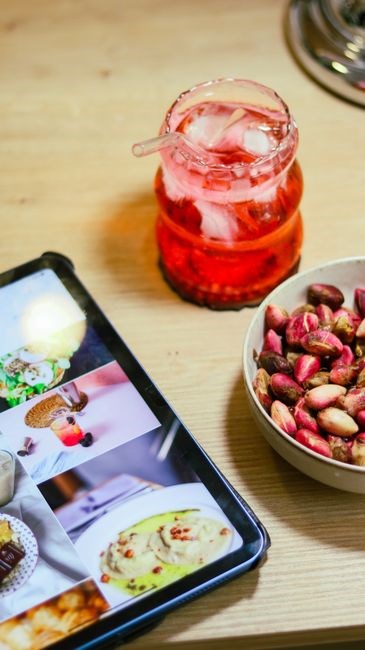
Free dietary recipe PDFs are especially handy on tablets and smartphones, where touch navigation and split‑screen modes let users browse recipes while cooking. Popular apps such as Adobe Acrobat Reader, Foxit MobilePDF, and Google PDF Viewer support pinch‑to‑zoom, text selection, and annotation. Many PDFs are optimized for mobile, featuring responsive layouts that reflow text and images to fit the screen width. Users can add bookmarks to favorite dishes, highlight ingredient lists, and even use the built‑in voice‑to‑text feature quickly!! Cloud‑based services like Google Drive, Dropbox, and OneDrive sync PDFs across devices, so a recipe opened on a tablet can be accessed on a phone later without re‑downloading. Offline mode is crucial for kitchens with spotty Wi‑Fi; most apps allow full offline viewing once the file is cached. For quick reference, users can convert PDF pages to image files or PDF‑to‑text, then use the phone’s camera to scan ingredients or use QR codes embedded in the PDF for instant recipe lookup. Some apps also integrate with smart kitchen appliances, sending recipe steps to a connected stove or oven. Finally, sharing options—email, Bluetooth, or AirDrop—enable chefs to send recipes to friends or family, keeping the culinary community vibrant even without a desktop.
Additionally, many PDF readers offer built‑in dictionary lookup, allowing users to instantly translate unfamiliar terms. Some apps support cross‑platform note sync via services like Evernote or OneNote, so annotations made on a phone appear on a laptop. For users who prefer voice commands, Google Assistant can open PDFs and read recipes aloud. Finally, some PDFs include embedded video links or QR codes that launch cooking tutorials directly from the device. By leveraging these features, tablet and smartphone users can enjoy a fully interactive, on‑the‑go cooking experience that rivals a desktop setup. Enjoy cooking! Very fit!!
Planning Meals with Free PDFs
Free dietary recipe PDFs provide a structured framework for weekly meal planning. By downloading a comprehensive collection—such as low‑carb, vegetarian, or gluten‑free guides—home cooks can quickly assemble balanced menus that align with nutritional goals. Start by creating a spreadsheet or using a note‑taking app to list each day’s meals: breakfast, lunch, dinner, and snacks. Then, scan the PDF for recipes that fit the day’s theme, noting key ingredients, portion sizes, and cooking times. Many PDFs include nutritional tables, allowing you to calculate daily macros and ensure calorie targets are met. Use the PDF’s search function to locate “quick” or “prep‑in‑15‑minutes” tags, which help streamline busy schedules. Once recipes are selected, compile a shopping list directly from the PDF’s ingredient sections; some PDFs offer printable checklists. For portion control, annotate the PDF with your own measurements or use the built‑in annotation tools to mark serving sizes. When the week’s plan is finalized, schedule prep sessions: batch‑cook proteins, chop vegetables, and pre‑measure spices. Store prepped items in labeled containers, and keep the PDF handy on a tablet for step‑by‑step guidance during cooking. This systematic approach reduces food waste, saves time, and keeps dietary objectives on track. Enjoy the freedom of a well‑planned menu that’s both healthy and delicious! Many PDFs also offer printable grocery lists. Use these tools to stay on track and enjoy healthier meals. They help you avoid impulse buys. Now!